2.3 Lagging Legalization and Standardization in Planning
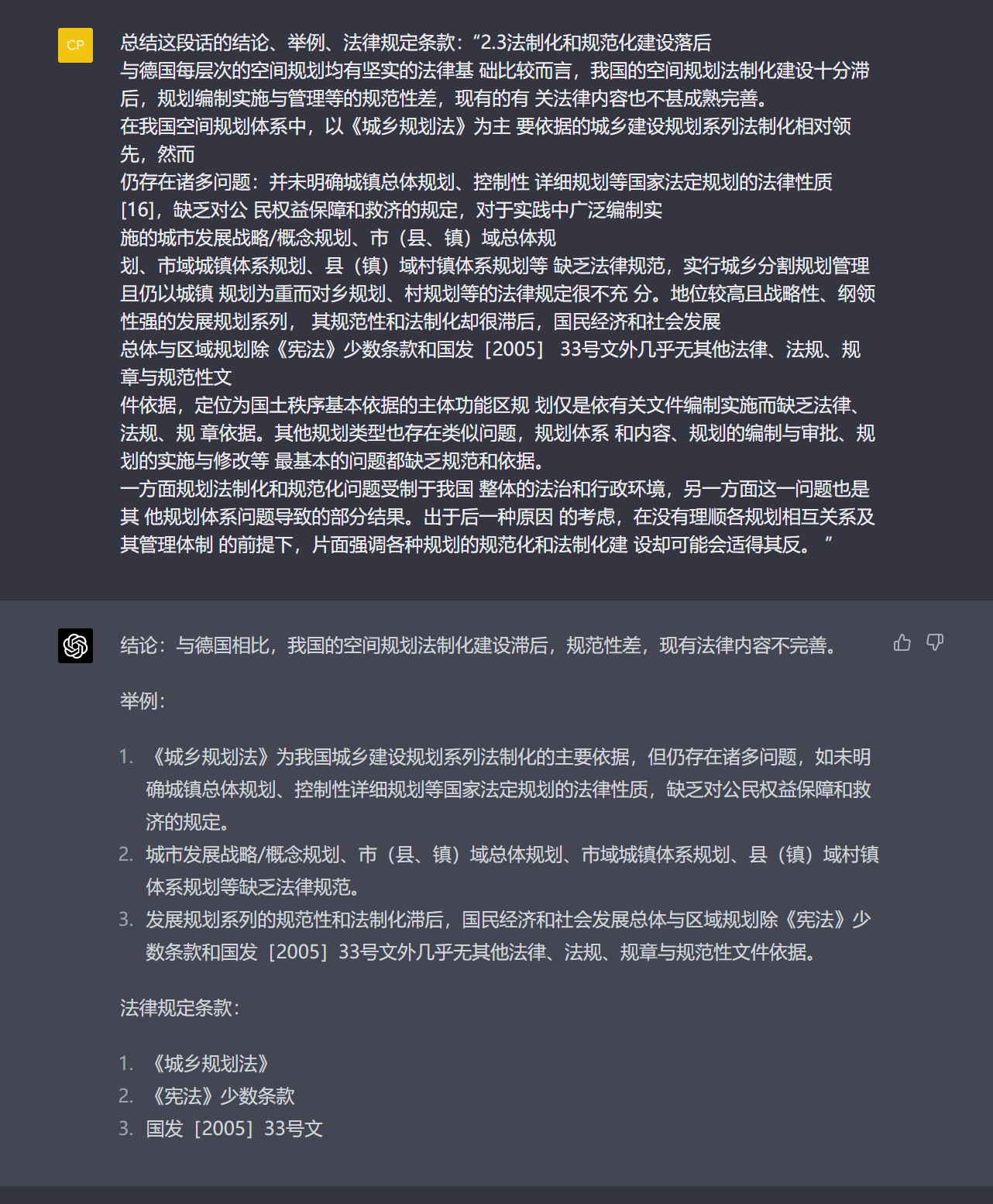
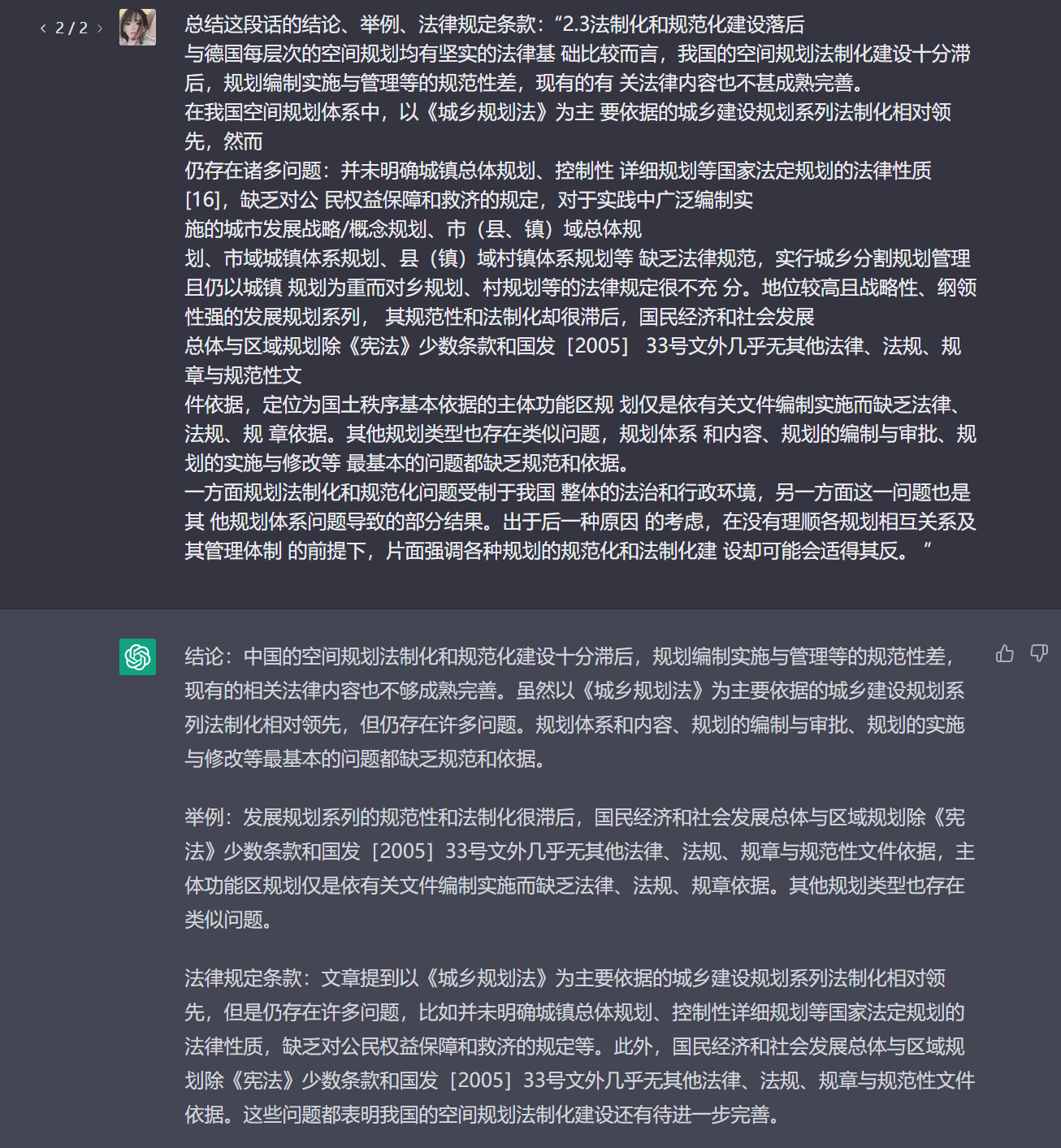
Compared to Germany, where each level of spatial planning has a solid legal foundation, China's legalization of spatial planning is significantly behind. The norms for planning compilation, implementation, and management are lacking, and the current relevant laws are not mature or complete.
In China's spatial planning system, the Urban and Rural Planning Law serves as the primary legal basis and is relatively advanced among urban construction planning laws. However, there are still many issues: it does not clarify the legal nature of nationally mandated plans such as the overall urban plan and detailed control plans, lacks provisions for the protection and redress of citizens' rights, and does not provide legal norms for widely compiled urban development strategies/conceptual planning, overall plans for cities (counties, towns), urban systems plans, and rural plans for counties (towns). It still practices a segmented planning management approach that prioritizes urban planning, with insufficient legal provisions for rural and village planning.
Higher-level and strategic planning series lag in standardization and legalization; apart from a few clauses in the Constitution and State Document [2005] No. 33, there are almost no other legal, regulatory, or normative documents supporting overall national economic and social development planning and regional planning. The planning for primary functional areas, positioned as a basic basis for land order, is compiled and implemented based only on relevant documents, lacking legal, regulatory, and normative basis. Other planning types face similar issues, with the fundamental problems of planning systems and content, planning compilation and approval, and planning implementation and modification lacking norms and basis.
On one hand, the issues of planning legalization and standardization are constrained by the overall legal and administrative environment in China; on the other hand, these issues are also partly a result of other planning system problems. Considering the latter, emphasizing the standardization and legalization of various plans without clarifying the interrelationships and management systems among them may lead to counterproductive outcomes.
我希望你担任 IT 架构师。我将提供有关应用程序或其他数字产品功能的一些详细信息,而您的工作是想出将其集成到 IT 环境中的方法。这可能涉及分析业务需求、执行差距分析以及将新系统的功能映射到现有 IT 环境。接下来的步骤是创建解决方案设计、物理网络蓝图、系统集成接口定义和部署环境蓝图。我的第一个请求是“我需要帮助来集成 CMS 系统”。
2.3 Lagging Legalization and Standardization in Planning
Compared to Germany, where each level of spatial planning has a solid legal foundation, China's legalization of spatial planning is significantly behind. The norms for planning compilation, implementation, and management are lacking, and the current relevant laws are not mature or complete.
In China's spatial planning system, the Urban and Rural Planning Law serves as the primary legal basis and is relatively advanced among urban construction planning laws. However, there are still many issues: it does not clarify the legal nature of nationally mandated plans such as the overall urban plan and detailed control plans, lacks provisions for the protection and redress of citizens' rights, and does not provide legal norms for widely compiled urban development strategies/conceptual planning, overall plans for cities (counties, towns), urban systems plans, and rural plans for counties (towns). It still practices a segmented planning management approach that prioritizes urban planning, with insufficient legal provisions for rural and village planning.
Higher-level and strategic planning series lag in standardization and legalization; apart from a few clauses in the Constitution and State Document [2005] No. 33, there are almost no other legal, regulatory, or normative documents supporting overall national economic and social development planning and regional planning. The planning for primary functional areas, positioned as a basic basis for land order, is compiled and implemented based only on relevant documents, lacking legal, regulatory, and normative basis. Other planning types face similar issues, with the fundamental problems of planning systems and content, planning compilation and approval, and planning implementation and modification lacking norms and basis.
On one hand, the issues of planning legalization and standardization are constrained by the overall legal and administrative environment in China; on the other hand, these issues are also partly a result of other planning system problems. Considering the latter, emphasizing the standardization and legalization of various plans without clarifying the interrelationships and management systems among them may lead to counterproductive outcomes.